


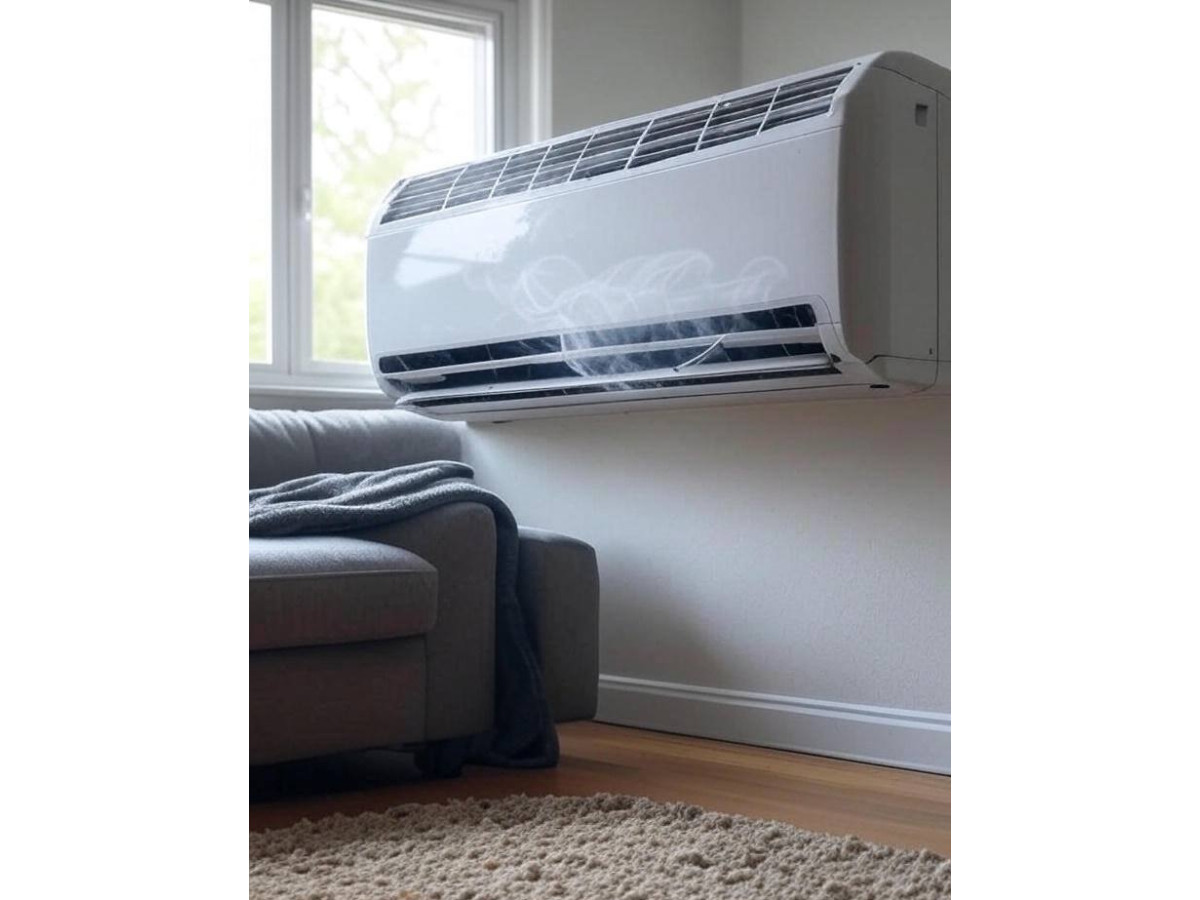
Using the wrong refrigerant in an air conditioner can reduce cooling performance, cause operating faults and damage the compressor. It may also introduce safety risks that the equipment was never designed to handle. The correct refrigerant is the one specified for your system, not simply whichever gas is cheaper or available.
If you suspect that an incorrect refrigerant has already been added, stop using the unit and contact a qualified refrigeration technician. Adding more of the correct gas will not fix an unidentified mixture.
Why the correct refrigerant matters
An air conditioner is designed around a particular refrigerant and its operating characteristics. The compressor, expansion device, heat exchangers, lubricant and control settings must work together across the temperatures and pressures expected in service.
Using a different refrigerant without an approved conversion can affect several parts of this process:
- Cooling capacity: the system may remove less heat, run for longer or fail to reach the set temperature.
- Operating pressures and temperatures: the compressor may operate outside its permitted limits, triggering protective shutdowns or increasing the risk of damage.
- Lubrication: an unsuitable refrigerant and oil combination can interfere with oil return and compressor lubrication.
- Material compatibility: seals and other components may not be suitable for the replacement refrigerant and lubricant.
- Safety: introducing a flammable refrigerant into equipment designed for a different safety class can create additional hazards.
The outcome depends on the equipment, the substance added, the amount involved and how long the system has operated. There is no reliable universal percentage for the resulting loss of performance or increase in electricity consumption.
Can you replace R410A with R32 or R22?
R410A, R32 and R22 are not interchangeable during routine servicing. Similar applications or operating characteristics do not make one refrigerant a suitable substitute for another.
R410A and R32
R410A is a manufactured blend of R32 and R125. The presence of R32 in that blend does not mean that an R410A air conditioner can be topped up with pure R32. Doing so changes the refrigerant composition and takes the system away from its specified operating conditions.
R32 is also classified as A2L, indicating lower toxicity and mild flammability. Equipment using it must be designed and installed with the appropriate safety requirements. Replacing the refrigerant alone does not turn an R410A unit into an R32-compatible system.
R22 in older air conditioners
R22 is an ozone-depleting refrigerant used in older equipment. In the European Union, it must not be used to refill or service air-conditioning systems, including in recycled or reclaimed form. It should not be presented as a routine purchase option for maintaining an older unit.
If an R22 system needs refrigerant work, a specialist should assess whether a compliant, technically suitable retrofit is available or whether equipment replacement is the better option. Neither R410A nor R32 should simply be charged into an R22 system.
Is flushing the system and changing the oil enough?
No. Flushing and an oil change do not establish compatibility with a different refrigerant. They may form part of a specific retrofit procedure, but they are not a universal conversion method.
A proper assessment must address the compressor's approved operating range, lubricant requirements, seals, expansion device, pressure limits, controls and applicable safety requirements. Depending on the system, component replacement or adjustments may be necessary. Some equipment should not be converted at all.
Any proposed retrofit should follow documented guidance applicable to the exact equipment and replacement refrigerant, with the necessary manufacturer approvals and compliance checks.
What to do if the wrong refrigerant has been added
- Stop operating the air conditioner. Avoid repeated restarts to see whether performance improves.
- Keep the service information. Record the equipment model, the refrigerant specified on its label and, if known, the product and quantity that were added.
- Arrange a professional assessment. A technician should review the service history and determine whether refrigerant identification or further checks are needed.
- Have the contaminated charge recovered correctly. Suspected mixtures must be handled separately using suitable recovery equipment and clearly labelled containers. Refrigerant must not be released into the atmosphere.
- Complete the required repair and commissioning. The technician should assess any damage or contamination, carry out the necessary work and recharge the system according to the applicable equipment instructions.
Weak cooling, icing, unusual noise or protective shutdowns do not prove that the wrong refrigerant is present. Airflow problems, leaks, electrical faults and an incorrect charge quantity can produce similar symptoms. A pressure reading alone cannot reliably identify an unknown refrigerant mixture.
How to choose the right refrigerant before ordering
Start with the equipment documentation and service records. Confirm these details with the technician responsible for the work:
- Exact refrigerant designation: check the full name, including any letters or numbers that distinguish different blends.
- Current system specification: if a documented retrofit has taken place, consult the updated equipment label and records.
- Required quantity: use the manufacturer's charging instructions, including any adjustment for the installation.
- Product documentation: check the cylinder label, safety data sheet and suitability for the intended service work.
For equipment that specifies R410A, see our R410A refrigerant in a 10 kg cylinder. Confirm the required refrigerant and quantity before ordering; the cylinder size does not indicate the charge needed by an individual air conditioner.
Common questions about incorrect refrigerant use
Can you correct a mixture by adding the specified refrigerant?
No. Adding the correct refrigerant does not remove the unwanted substance or reliably restore the specified composition. The mixture needs professional assessment and appropriate recovery.
Will a different refrigerant reduce electricity bills?
A refrigerant with a lower global warming potential does not automatically make an existing air conditioner more energy efficient. Performance depends on the complete system, its installation, operating conditions and maintenance.
One performance measure is the coefficient of performance, or COP: useful heating or cooling output divided by electrical power input under defined conditions. It is a ratio, not an efficiency percentage. For a broader explanation of operating costs, read our guide to reducing heating and cooling costs for businesses.
Can a car air-conditioning refrigerant be used in a home AC unit?
Only if that exact refrigerant is specified for the equipment. A product suitable for one type of air-conditioning system is not automatically suitable for another. R134a and R1234yf, for example, are not interchangeable service options. For vehicle-specific guidance, see how to choose the correct refrigerant for your car air conditioning.
Write a comment