


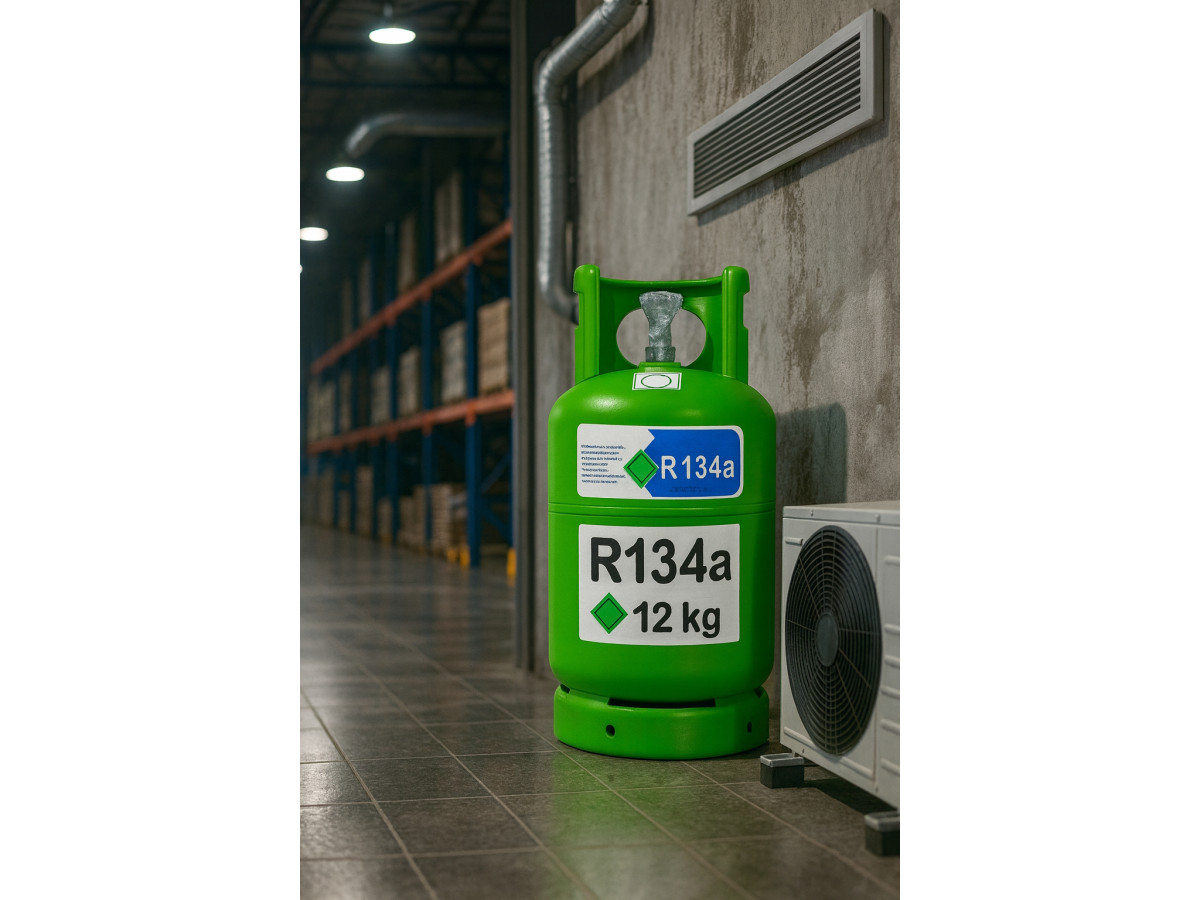
What You Need to Know About Refrigerants to Maintain Climate Control in a High-Humidity Warehouse
Introduction: The Vital Role of Refrigerants in Climate-Control Systems
In modern logistics, a warehouse isn’t just a storage space — it’s a controlled environment. Temperature, humidity, and airflow all determine how well goods are preserved. In facilities with high humidity, maintaining precise climate control becomes a challenge. Moisture can cause condensation, corrosion, and mould, all of which threaten products and equipment.
At the heart of this climate-control system is the refrigerant — the working fluid responsible for transferring heat and ensuring stable temperatures. Choosing the right refrigerant for such demanding environments isn’t just about cooling power — it’s about energy efficiency, environmental safety, and reliability.
What a Refrigerant Is and How It Works
A Brief History of Refrigerants
Refrigerants have evolved tremendously since the early 1900s. From toxic compounds like ammonia and sulphur dioxide, to safer chlorofluorocarbons (CFCs) and hydrofluorocarbons (HFCs), and now to next-generation low-GWP (Global Warming Potential) refrigerants, the industry continues to adapt to balance performance with sustainability.
Main Types and Their Characteristics
Common refrigerants used in industrial and commercial settings include:
-
R134a – ideal for medium-temperature systems.
-
R404A – widely used in low-temperature cold storage and refrigeration.
-
R407C – suited for air-conditioning systems in large buildings.
-
R410A – known for efficiency and stability in modern HVAC systems.
Newer blends such as R448A, R449A, and R32 provide improved thermodynamic efficiency while lowering environmental impact.
Choosing the Right Refrigerant for a High-Humidity Warehouse
Key Factors to Consider
When selecting a refrigerant for a warehouse exposed to high humidity, consider:
-
Operating temperatures (evaporation and condensation points).
-
System compatibility with compressors and lubricants.
-
Environmental impact (GWP, ODP).
-
Leak potential and chemical stability.
-
Energy efficiency across varying humidity levels.
Recommended Refrigerants for Humid Environments
For areas prone to moisture and temperature fluctuations, the most reliable choices are:
-
R407C – a stable and versatile blend.
-
R410A – highly efficient for balanced temperature control.
-
R448A / R449A – modern, eco-friendly blends with superior efficiency.
These refrigerants maintain steady performance even when ambient humidity changes significantly — a crucial feature for long-term storage environments.
Energy Efficiency and Environmental Responsibility
Eco-Friendly Alternatives
Regulations across Europe increasingly favour refrigerants with lower environmental impact. Hydrofluoroolefins (HFOs) like R1234yf and R1234ze are becoming the new industry standard due to their ultra-low GWP and excellent energy efficiency.
Reducing Operational Costs
-
Schedule regular leak detection tests to prevent performance loss.
-
Use quality filters and moisture absorbers to keep refrigerant pure.
-
Monitor system pressure and temperature digitally.
-
Perform timely refrigerant replacement according to manufacturer specifications.
A well-maintained system can reduce energy consumption by up to 25–30 %, while extending compressor life and ensuring product safety.
Practical Maintenance Tips for Refrigerant-Based Systems
Check for Leaks Regularly
Even small leaks lead to significant cooling loss and energy waste. Regular inspection helps prevent corrosion, especially in high-humidity conditions.
Monitor Pressure and Temperature
Both under-pressure and over-pressure can damage compressors and shorten system lifespan. Real-time monitoring allows early detection and quick corrective action.
Common Mistakes When Handling Refrigerants
Incorrect Charging
Overcharging or undercharging refrigerant affects cooling efficiency, increases electricity costs, and may damage mechanical parts. Always use precision charging tools.
Using Incompatible Refrigerants
Not all refrigerants are interchangeable. Mixing different blends or using the wrong oil can trigger chemical reactions and system failure. Always verify compatibility before refilling or retrofitting.
The Future of Refrigerants: Innovation and Sustainability
Natural and Low-GWP Alternatives
The industry is steadily transitioning to natural refrigerants such as CO₂ (R744), propane (R290), and isobutane (R600a). They offer outstanding thermodynamic properties and minimal environmental impact.
Emerging Cooling Technologies
Ammonia (NH₃) remains one of the most efficient refrigerants in large-scale warehouses, while CO₂ systems are now used in supermarkets and distribution centres across Europe.
Hybrid systems combining HFOs with natural refrigerants are becoming the next big step toward sustainable refrigeration.
Conclusion
Maintaining reliable climate control in a high-humidity warehouse requires more than powerful compressors — it demands the right refrigerant, proper installation, and consistent maintenance.
A well-chosen refrigerant ensures:
-
Stable cooling performance.
-
Energy efficiency and cost savings.
-
Longer equipment lifespan.
-
Compliance with environmental standards.
Partnering with professionals experienced in refrigerant systems guarantees that your warehouse remains efficient, safe, and compliant for years to come.
FAQ — Frequently Asked Questions
1. Which refrigerant is best for a high-humidity warehouse?
R407C or R410A are the most balanced options, providing stable performance in variable humidity conditions.
2. How often should I replace or recharge refrigerant?
Systems should be inspected annually. Recharge or replacement should only occur when pressure tests show loss or degradation.
3. Can different refrigerants be mixed?
No. Mixing refrigerants reduces efficiency and can cause serious damage. Always use the exact type recommended by the manufacturer.
4. What are the signs of a refrigerant leak?
Decreased cooling capacity, ice build-up on coils, or oil stains near fittings indicate a possible leak.
5. Are refrigerants safe for workers?
Modern refrigerants are non-toxic and safe when handled correctly. However, leaks in confined spaces can displace oxygen — always follow safety protocols.
6. Where can I buy certified refrigerants?
Trusted suppliers such as Refrigerant-Euro
If you're interested in why you should choose R-410A refrigerant for modern air conditioners, check out our article on why you should choose R-410A refrigerant for modern air conditioners.
If you have questions about refrigerants, read our article on frequently asked questions about refrigerants: everything you need to know.