


What is GWP and Why It Matters When Choosing Refrigerants for Your Equipment
Have you ever wondered what refrigerant your air conditioner or refrigeration system uses? And why its choice affects not only the performance of your equipment but also the environment?
Today, climate change is more noticeable than ever, and choosing the right refrigerant is not just a technical decision-it’s an opportunity to save money, optimize efficiency, and care for the planet.
One of the most important indicators when selecting a refrigerant is GWP (Global Warming Potential). Understanding this value helps reduce environmental impact, save energy, and comply with current ecological regulations.
GWP Explained in Simple Terms
Think of all refrigerants as tiny “CO₂ bombs.” GWP indicates how much each refrigerant contributes to global warming compared to carbon dioxide (CO₂), which has a baseline value of 1.
Concrete examples:
-
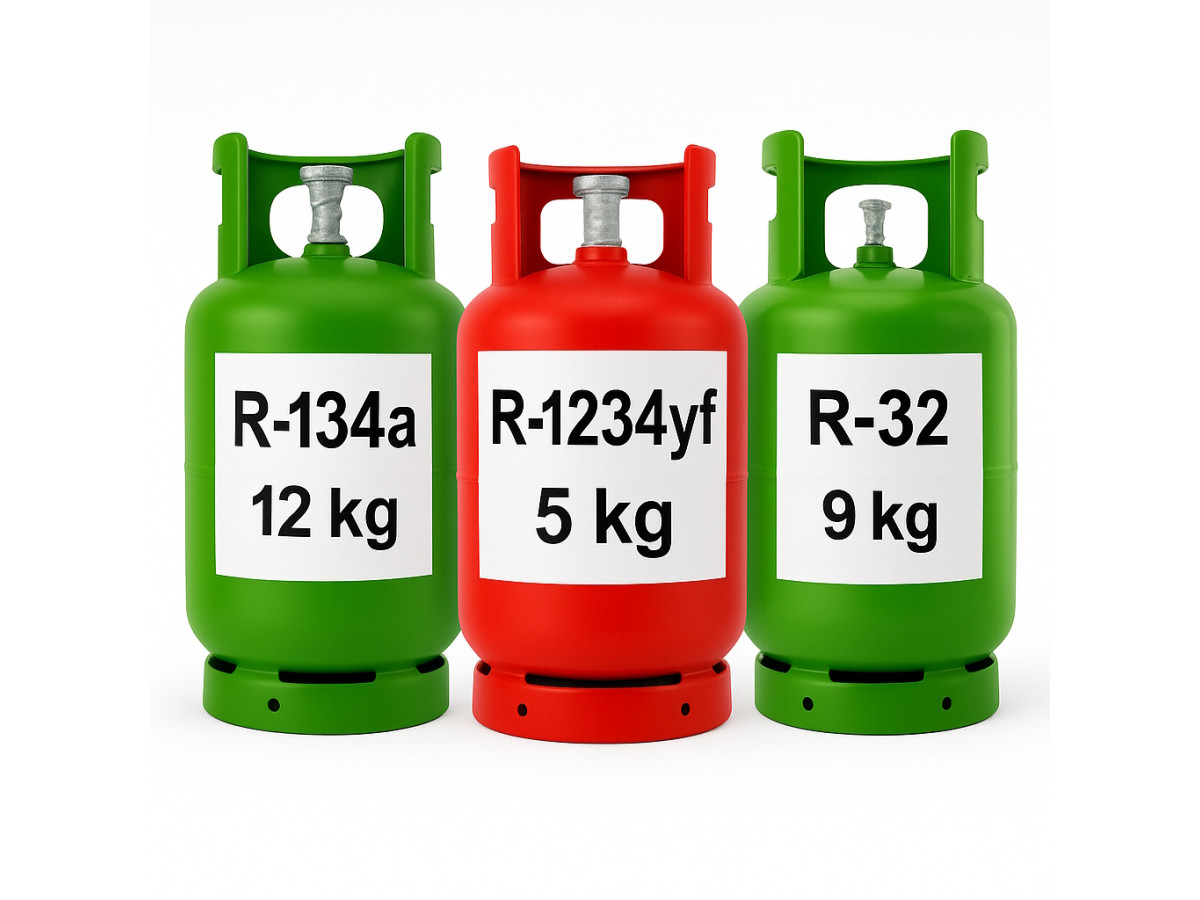
R134a - GWP around 1430
-
R410A - GWP around 2088
-
Modern alternatives R32 and R1234yf – much lower: 675 and 4 respectively
The difference is huge! Switching to low-GWP refrigerants can reduce greenhouse gas emissions hundreds of times, which is crucial for warehouses, offices, or large air conditioning systems.
If you want to learn more about the technical differences between refrigerants, check out our article R407C vs R22: Technical Comparison of Eco-Friendly Refrigerants.
Why GWP Matters When Choosing a Refrigerant
-
Environmental Responsibility
Using low-GWP refrigerants reduces your impact on the climate. This is not only good for the planet but also strengthens your business’s reputation. For more details on ecological benefits, see our article Environmental Benefits of Low-GWP Refrigerants for Your Business. -
Cost Savings and Efficiency
Modern refrigerants are not only eco-friendly-they also help reduce energy consumption. Their better thermodynamic properties lower compressor load and operational costs. -
Regulatory Compliance
In Europe and other regions, the use of high-GWP refrigerants is increasingly restricted. Non-compliance may result in fines, and older equipment may be prohibited from operation.
How GWP Affects Equipment Choice
When purchasing a new air conditioner or refrigeration system, pay attention to the refrigerant used by the manufacturer:
-
Older systems use R22 or R134a, which have high GWP.
-
Modern units support R32, R1234yf, or R410A, reducing environmental impact and increasing energy efficiency.
Practical example: replacing R410A with R32 in a commercial air conditioner can reduce energy consumption by 5–10%, while simultaneously lowering greenhouse gas emissions and minimizing the risk of malfunctions.
Pro tip: when buying equipment, check for energy efficiency certifications and support for low-GWP refrigerants. This simple step can save you time, money, and headaches in the long run.
Conclusion
GWP is not just a number on a technical specification-it’s an indicator of how your refrigerant choice impacts the climate, your budget, and the long-term performance of your equipment.
By using modern low-GWP refrigerants, you not only protect the environment but also make your equipment more efficient and reliable. A small choice today can make a big difference tomorrow-for your business and the planet.