


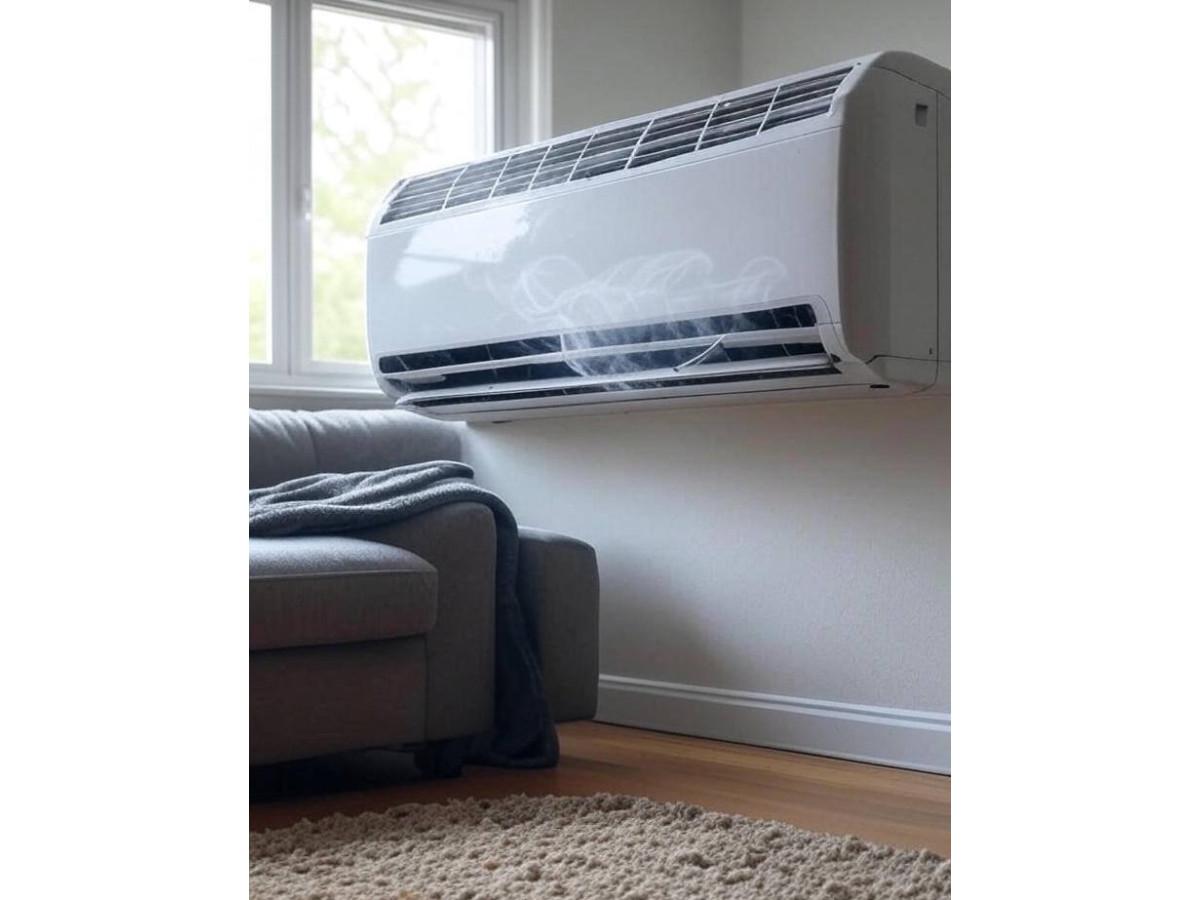
What Happens If You Use The Wrong Refrigerant in Your Air Conditioner?
Each refrigerant has its unique thermodynamic properties: boiling temperature, boiling pressure, heat capacity, density, etc. Air conditioners are designed to work with a specific type of refrigerant. When a refrigerant with different parameters is used, the system's balance is disturbed:
-
heat exchange becomes less efficient,
-
the compressor operates under overload,
-
the overall coefficient of performance (COP) of the device decreases.
For example, attempting to replace R-410A with R-22 will result in incorrect system pressure, leading to overheating and unstable compressor operation.
Performance Problems: Overheating and Increased Energy Consumption
When the wrong refrigerant is used, the air conditioner cannot quickly and efficiently reach the desired temperature. As a result:
-
the compressor runs longer and with greater load,
-
parts wear out faster,
-
energy consumption increases.
Over time, this can lead to overheating and compressor failure, and its replacement is one of the most expensive repairs for an air conditioner.
Damage to System Components
Refrigerants differ not only in thermodynamics but also in chemical properties. Some are incompatible with certain oils used in the system. This can cause:
-
corrosion of metal parts (evaporators, condensers),
-
damage to seals and gaskets,
-
formation of deposits and clogging of pipelines.
Even a slight discrepancy in composition can lead to a breakdown, especially in modern inverter systems, where tolerances are minimal.
Health and Environmental Risks
Some outdated refrigerants, like R-22, are not only banned in many countries but are also hazardous in the event of a leak. They can:
-
harm health when inhaled,
-
damage the environment by destroying the ozone layer.
Additionally, the wrong refrigerant can cause leaks, as its pressure in the system may be higher or lower than expected.
How to Choose the Right Refrigerant?
Before recharging the air conditioner, always check the device model and the required refrigerant type. This information is usually provided:
-
on the nameplate of the outdoor unit,
-
in the user manual.
The most common refrigerant types are:
-
R-22 (outdated, banned in the EU and the US),
-
R-410A (widely used, high pressure),
-
R-32 (more eco-friendly alternative to R-410A),
-
R-134A (commonly used in cars and refrigerators).
Important: refrigerants are incompatible with each other. Switching from one to another requires a full system flush and oil change.
Where to Buy the Right Refrigerant?
To avoid problems, use only high-quality, certified refrigerants that meet your air conditioner's requirements.
At Refrigerant-euro, you will find refrigerants of all popular types:
-
R-22,
-
R-32,
-
and others.
We guarantee:
-
fast delivery across Europe,
-
original products from trusted suppliers,
-
technical support and advice on selection.
By buying from us, you ensure safe and efficient operation of your air conditioner.
Air Conditioner Maintenance Tips
To keep your air conditioner running smoothly:
-
Check the refrigerant level at least once a year.
-
Watch for signs of leaks: reduced cooling, noise, smell.
-
Always consult certified specialists for recharging and repairs.
-
Never mix refrigerants or try to change the refrigerant type yourself.
Conclusion
Using the wrong refrigerant is not a minor mistake but a real risk to your equipment, safety, and budget.
To avoid overheating, breakdowns, and unnecessary costs, always use the refrigerant recommended by the manufacturer.
Buy refrigerants at Refrigerant-euro — and be sure of your air conditioner's reliability.
If you want to learn more about how refrigerants help reduce heating and cooling costs, read “Refrigerants: How to Lower Heating and Cooling Costs for Businesses.”
For more details about eco-friendly refrigerants, check out “Which Refrigerants are Best for Car Air Conditioners in 2025.”