


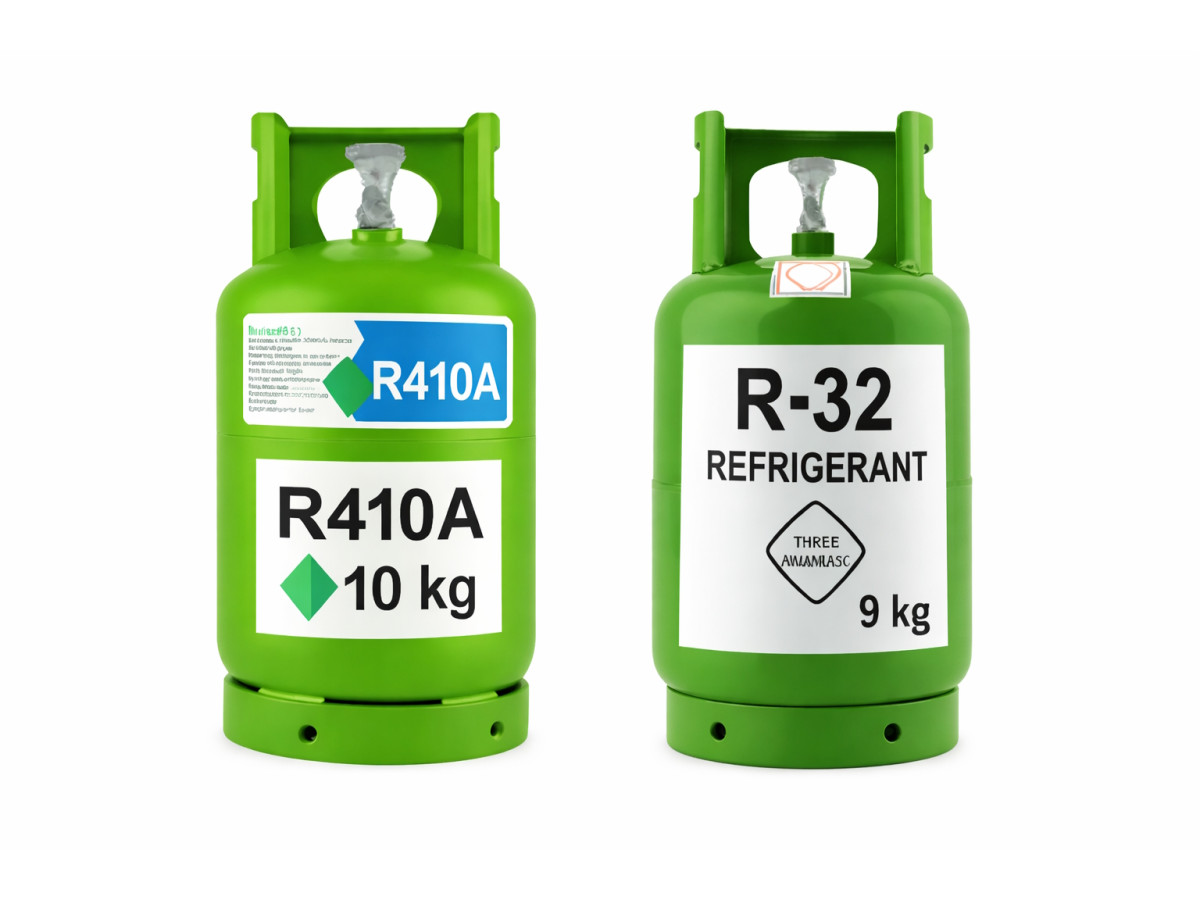
Can You Mix R410A and R32 Refrigerants? Risks, Consequences, and Key Considerations
Refrigerant is the foundation of any air conditioning or cooling system. The correct choice of refrigerant directly affects system efficiency, compressor lifespan, and overall operational safety.
That’s why one question comes up more and more often in practice: can R410A and R32 refrigerants be mixed, especially during servicing or partial refilling?
The short and clear answer is no — R410A and R32 must never be mixed. Below, we explain why this is technically unacceptable, what risks it creates, and how to handle refrigerants correctly.
Understanding R410A and R32 Refrigerants
Although both refrigerants are widely used in modern HVAC systems, they are fundamentally different.
R410A refrigerant is a blended refrigerant designed to operate at high pressure. It has been commonly used in residential and commercial air conditioning systems for many years. R410A is non-flammable but requires precise charging and strict adherence to manufacturer specifications.
R32 refrigerant is a single-component refrigerant representing a newer generation of cooling technology. It offers higher energy efficiency, requires a smaller charge volume, and has a significantly lower Global Warming Potential (GWP). However, R32 is classified as A2L, meaning it is mildly flammable.
Even though R32 is one of the components of R410A, this does not make the two refrigerants compatible.
Why Mixing R410A and R32 Is Not Allowed
Different chemical composition
R410A is a carefully balanced blend. Adding R32 disrupts this balance, causing unpredictable thermodynamic behavior and unstable system performance.
Incorrect operating pressures
Each refrigerant is engineered to operate within a specific pressure and temperature range. When mixed:
-
compressor load increases,
-
overheating becomes more likely,
-
system failures occur more frequently.
Increased safety risks
Because R32 is mildly flammable, mixing it with another refrigerant alters its physical properties. This increases risks during leaks and violates manufacturer safety requirements.
Incompatibility with compressor oil
Different refrigerants are designed to work with specific types of compressor oil. Mixing R410A and R32 can reduce lubrication quality, accelerate wear, and lead to compressor failure.
What Happens If the Wrong Refrigerant Is Used
In real-world conditions, the consequences of using the wrong refrigerant may not appear immediately. Over time, however, they almost always result in reduced cooling performance, higher energy consumption, unstable operation, and compressor damage.
We discussed this topic in detail in a dedicated article explaining what happens when the wrong refrigerant is used in your air conditioning system, including real service cases and common maintenance mistakes.
Can R32 Be Added to an R410A System?
No — not even partially.
Topping up a system with a different refrigerant is one of the most common and costly service errors, often made in an attempt to save money.
If a system is designed for R410A, the correct procedure is:
-
complete recovery of the existing refrigerant,
-
proper evacuation of the system,
-
recharging only with the refrigerant specified by the manufacturer.
Any deviation from this process significantly increases the risk of system failure.
Environmental Impact and the Role of GWP
Today, refrigerant selection is influenced not only by technical compatibility but also by environmental regulations. One of the most important factors is the Global Warming Potential (GWP) value.
This is the main reason why R32 is gradually replacing R410A in newly manufactured air conditioners. If you want a deeper understanding of this topic, we recommend reading our article explaining what GWP is and why it matters when choosing a refrigerant for your equipment.
Frequently Asked Questions
Can R410A be replaced with R32 without changing the equipment?
No. Conversion is only possible in systems that are specifically designed and certified for R32.
Why is R32 considered a more modern refrigerant?
It delivers higher energy efficiency, requires less refrigerant charge, and has a lower environmental impact.
Is mixing refrigerants allowed under EU regulations?
No. Mixing refrigerants violates F-Gas regulations and manufacturer guidelines.
What should be done if refrigerants have already been mixed?
The system must be fully evacuated, vacuumed, and recharged with the correct refrigerant.
Final Thoughts
Mixing R410A and R32 refrigerants is technically unacceptable and unsafe. It leads to reduced system efficiency, accelerated compressor wear, and loss of manufacturer warranty.
For reliable and long-term operation of your HVAC equipment, always use the refrigerant specified by the manufacturer and consider both technical and environmental factors when making your choice.