


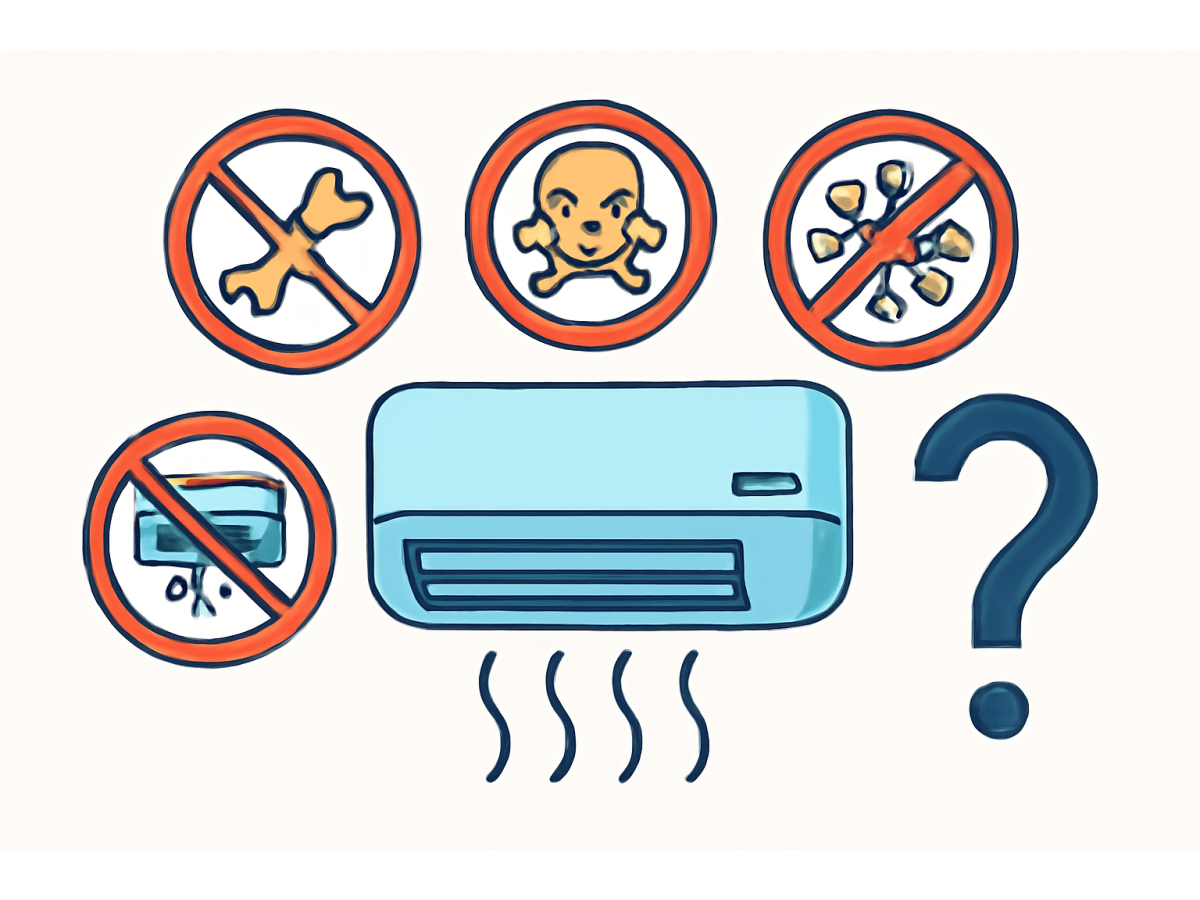
Top 5 Myths About Refrigerants: What Every Air Conditioner Owner Should Know
Refrigerants (often referred to as Freon) are a crucial component of any air conditioning system. However, many myths and misconceptions surround refrigerants, which can lead to mistakes in maintenance and equipment selection. If you're looking to buy refrigerant for your air conditioner or want to understand how to use it properly, this article is for you.
We’ll bust the 5 most common myths about refrigerants to help you extend the lifespan of your equipment and avoid unnecessary expenses.
1. Myth: Refrigerant Doesn’t Need to Be Refilled
One of the most common myths is that refrigerant in an air conditioner never needs to be refilled. In reality, the air conditioning system should be sealed, but micro-leaks can still develop over time.
What You Need to Know:
Refrigerant doesn’t get used up during normal operation. However, if there’s a leak, you need to top it up. Without the proper refrigerant levels, your air conditioner will lose efficiency and may overheat.
If your air conditioner isn’t cooling effectively, check the refrigerant level.
2. Myth: All Refrigerants Are the Same
This is one of the most dangerous misconceptions. Every air conditioner model is designed to work with a specific refrigerant type, and using the wrong one can lead to:
-
Reduced cooling efficiency
-
Compressor failure
-
System breakdown
Popular Refrigerants:
-
R-410A – For modern split systems
-
R-32 – Energy-efficient and eco-friendly
-
R-134a – For refrigerators and car systems
Always check which refrigerant type is recommended by the manufacturer before purchasing.
3. Myth: Refrigerants Are Always Dangerous and Harmful
In the past, some refrigerants were indeed harmful to the environment (like R-22). But modern refrigerants such as R-410A and R-32 are designed to meet environmental standards and comply with European Union regulations.
Facts:
-
Modern refrigerants don’t deplete the ozone layer
-
When installed and maintained properly, they’re safe
-
Handling refrigerants requires following technical standards and a professional approach
Always buy certified refrigerants from authorized suppliers.
4. Myth: Low Refrigerant Means the Air Conditioner is Broken
If your air conditioner isn’t cooling properly, it doesn’t necessarily mean it’s broken. The most common reason is low refrigerant levels.
This could be caused by:
-
Poor installation
-
Leaks
-
Lack of regular maintenance
Solution: Diagnostic checks and topping up with the right refrigerant.
Professional inspections can help prevent costly repairs.
Buy R-32 refrigerant for residential systems
5. Myth: Refrigerants Are Only for Cooling
Refrigerants are responsible for more than just cooling air. They also affect:
-
Compressor operation
-
System energy efficiency
-
Stable equipment performance
Low refrigerant leads to:
-
Increased system load
-
Higher energy consumption
-
Reduced equipment lifespan
Regular maintenance and checking refrigerant levels are key to reliable system performance.
Conclusion:
Now you know that refrigerant is not just a "consumable," but a critical component of your climate control system. Understanding its role and adopting a smart approach to refrigerant selection and maintenance will help you:
-
Lower energy costs
-
Avoid breakdowns
-
Improve comfort in your home
-
Comply with EU environmental regulations
We operate in Italy and across the entire European Union, providing high-quality refrigerants and air conditioning solutions.
If you're interested in how refrigerants help reduce heating and cooling costs, check out “Refrigerants: How to Lower Heating and Cooling Costs for Businesses.”
For more details on which refrigerants are best for automotive air conditioners, read “Which Refrigerants are Best for Car Air Conditioners in 2025.”